Author

Last Update
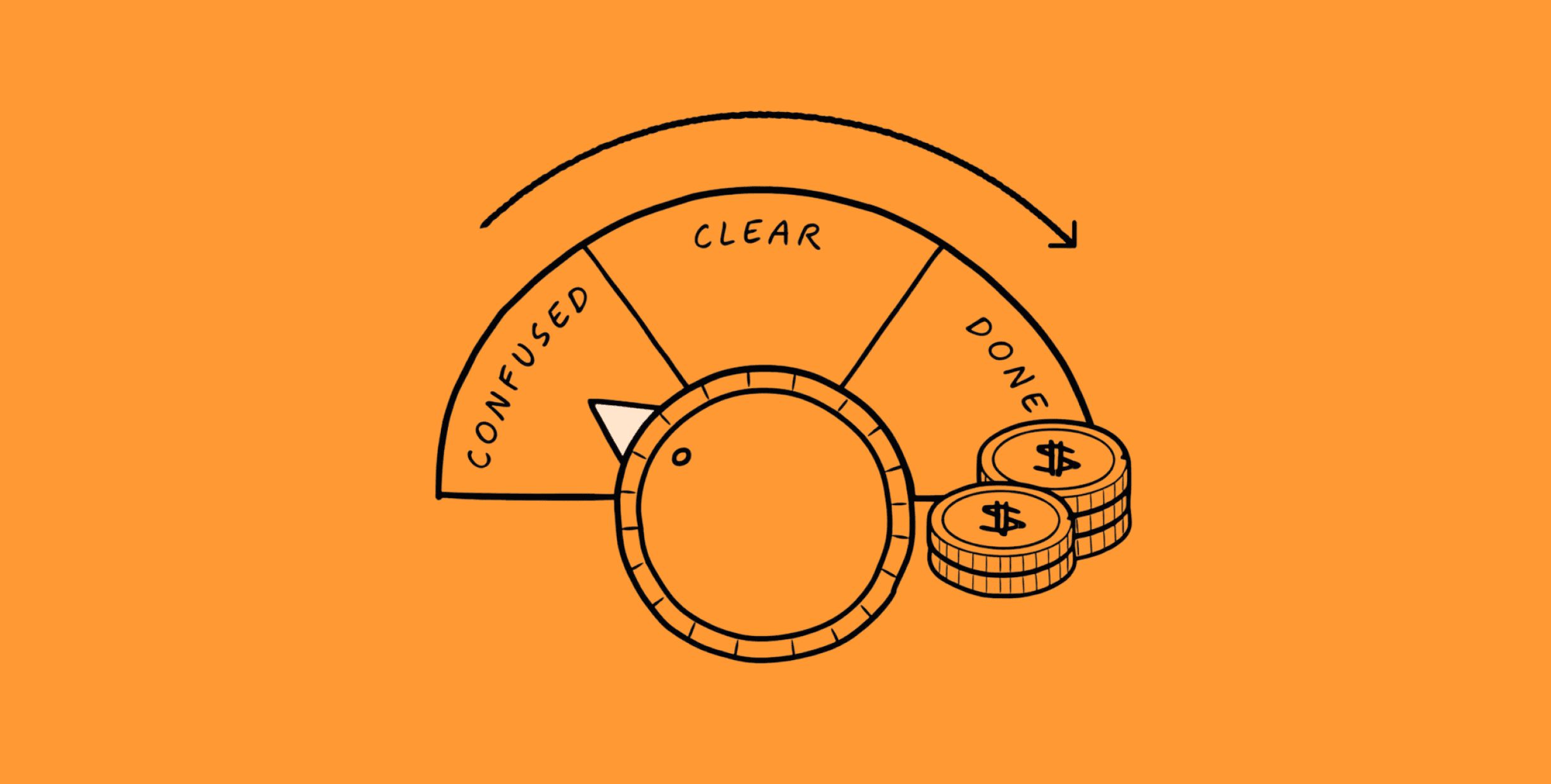
Table of Contents
Loading headings...
Starting a company is exciting.
Setting up payroll? Less so.
For most founders, payroll shows up earlier than expected and with way more complexity than anyone warns you about. One day, you’re registering your company. The next, you’re Googling things like “Do I need a payroll tax ID?” or “Can I pay myself yet?” or “What happens if my first hire is in another country?”
Here’s a high-level walkthrough of the key decisions founders need to make when getting started with payroll, without drowning in forms, acronyms, or edge cases.
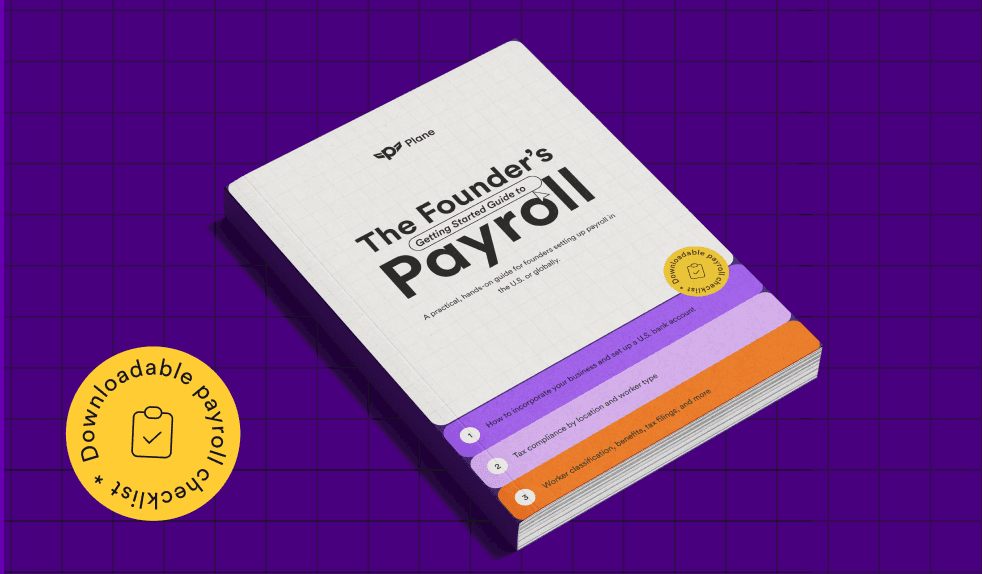
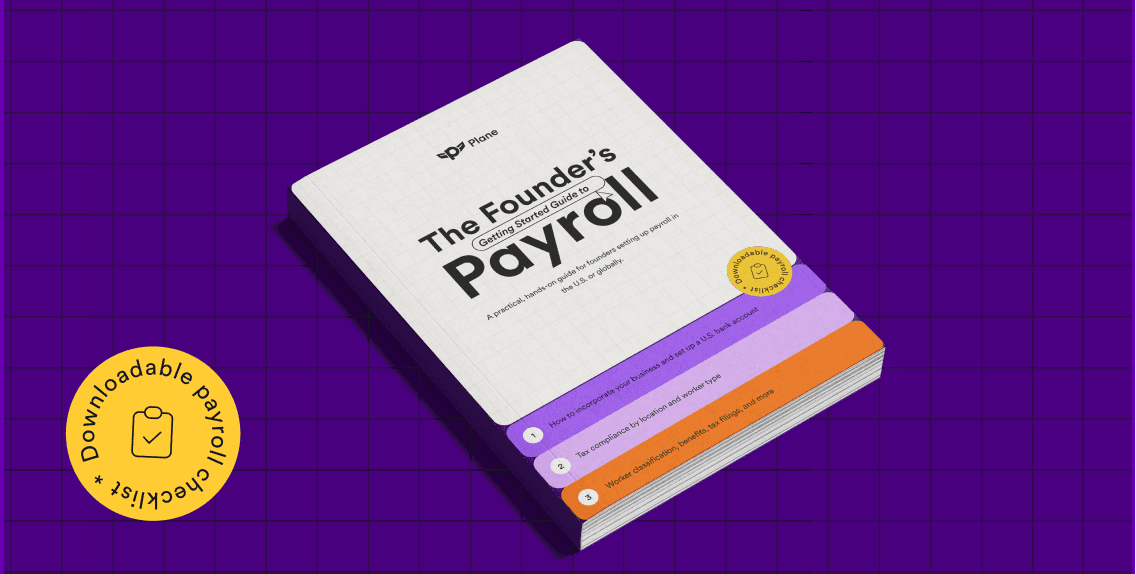
If you want the full step-by-step checklist and videos, you can grab the complete Founder’s Getting Started Guide to Payroll.
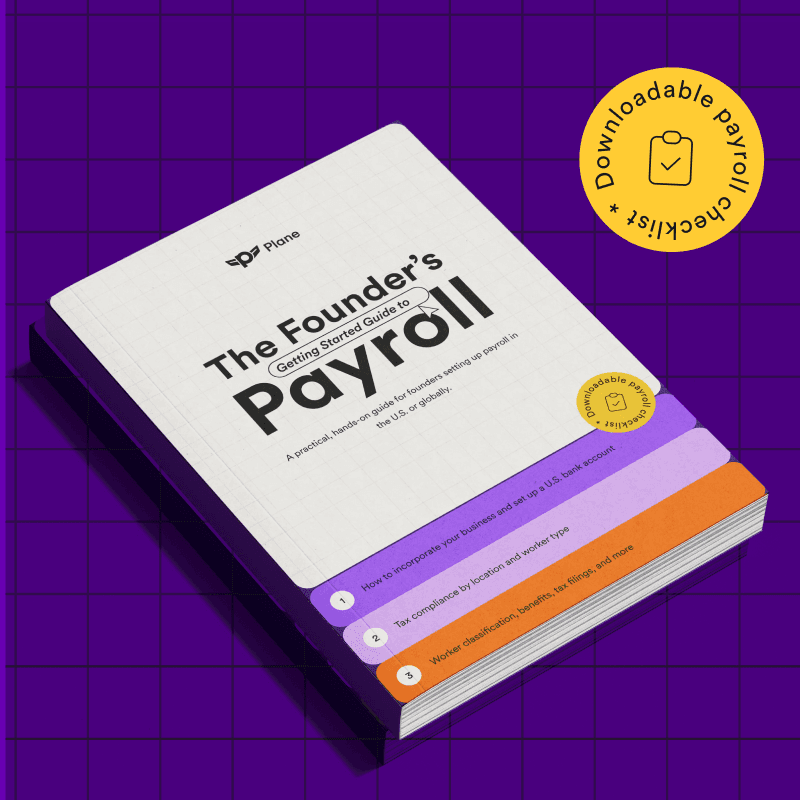
Understanding payroll from day one.
Read our Founder’s Guide to Getting Started.
Step one: Incorporating your business (and why this matters for payroll)
Before payroll even enters the picture, you need a legal entity.
Founders often underestimate how many downstream decisions stem from incorporation. Where you incorporate, how your business is structured, and when you register with tax authorities all directly affect when and how you can run payroll.
At a high level, founders need to decide:
Which state to incorporate in and why
What entity structure makes sense for taxes and future fundraising
This is one of those moments where getting set up correctly early saves you time and penalties later. Many founders choose popular startup-friendly states like Delaware, but the “right” answer depends on your situation. Talk to a startup-focused lawyer before you file to prevent expensive cleanup work later.
Don’t forget the basics: Banking and mail setup
Once your entity exists, you’ll register your business with your state through your state’s website and register with the IRS. Then, before you can run payroll, you’ll need somewhere for money and paperwork to go.
Founders typically need:
A U.S. business bank account
A reliable way to receive official mail from tax agencies
Having the right mail setup is especially important if you’re based outside the U.S. Missing an IRS or state notice because you didn’t have a reliable place to receive it is a surprisingly common mistake and one that can snowball into fines.
The guide walks through what banks typically require, what documentation you’ll be asked for, and how founders outside the U.S. usually handle mail.
Before your first hire: The decisions that trip founders up
Hiring your first person is a milestone. It’s also where payroll complexity really begins.
Before you pay anyone, founders need to answer a few critical questions:
Should this person be an employee or a contractor?
If they are an employee, are they exempt or nonexempt?
Are they in the U.S. or another country?
Misclassification is one of the fastest ways to create compliance risk for an early-stage company. The rules vary by role, location, and how the work is performed.
Many founders default to contractors to move faster, especially for global hires. That can work, but only if it is done correctly. The guide explains what to consider and tax compliance by worker type and location.
Who should actually run payroll?
This is one of the most common founder questions.
In theory, you can run payroll yourself. In practice, most founders regret trying to manage tax withholdings, filings, and payments manually while also building a company.
Founders typically choose between:
Working with an accountant or bookkeeper
Using a payroll provider
Trying to do it themselves early on
The tradeoff is time, risk, and peace of mind. Payroll mistakes can compound quietly and show up later as penalties or missed filings, or show up right away when a new hire asks why their paycheck was delayed. Many founders decide that outsourcing payroll from day one is worth it simply to avoid the cognitive load.
Payroll compliance depends on who you hire and where they are
There is no single set of payroll rules.
What you are responsible for changes based on:
U.S. employees
U.S. contractors
Global contractors
Global employees
Each scenario comes with different tax forms, registration requirements, and filing obligations. Hiring a full-time employee outside the U.S. adds another layer entirely, typically requiring either a local entity or an employer of record (EOR).
This is where founders tend to realize payroll is not just “paying people.” It is an ongoing compliance system that touches taxes, labor laws, benefits, and reporting.
Ongoing payroll responsibilities founders underestimate
Even once payroll is live, the work is not done.
Founders are responsible for:
Paying people on the correct schedule
Handling overtime rules and local labor laws
Managing bonuses and commissions correctly
Carrying workers’ compensation when required
Filing the right forms at the right frequency
Missed deadlines or incorrect filings can lead to penalties, even if the mistake was unintentional. This is why most founders eventually rely on providers to keep everything running smoothly.
Benefits, terminations, and the stuff no one warns you about
As your team grows, payroll expands into benefits and offboarding.
Health insurance and retirement plans come with tax implications. Terminations have strict timing rules for final pay, including in the U.S., and they come with even more complexity internationally.
These are not things founders want to learn reactively.
Want the full walkthrough and checklist?
This post only scratches the surface.
The Founder’s Getting Started Guide to Payroll goes deeper with:
A step-by-step checklist you can follow from incorporation through your first payroll run and beyond
Clear explanations without legal jargon
Practical guidance for U.S. and global teams
Videos and founder insights from Plane’s CEO Matt based on real experience
If you want to avoid payroll mistakes and get this right from day one, download the Founder’s Getting Started Guide to Payroll.
If you would rather not manage all of this yourself, Plane helps founders run payroll and stay compliant for U.S. and global teams, whether you are hiring contractors or employees. Plane handles the operational work so you can focus on building your product and company.
Legal disclaimer: The information provided is for informational purposes only and should not be considered legal advice.
Want product news & updates?
Sign up for our newsletter.