Table of Contents
Loading headings...
Payroll errors can be a significant headache for businesses of all sizes. They not only lead to financial losses but can also damage employee trust and morale. In fact, over half of companies surveyed in 2024 committed payroll errors in the last five years. With the right strategies, however, these errors can be minimized or even eliminated. Here’s a look at the top five payroll errors we see and how to avoid them.
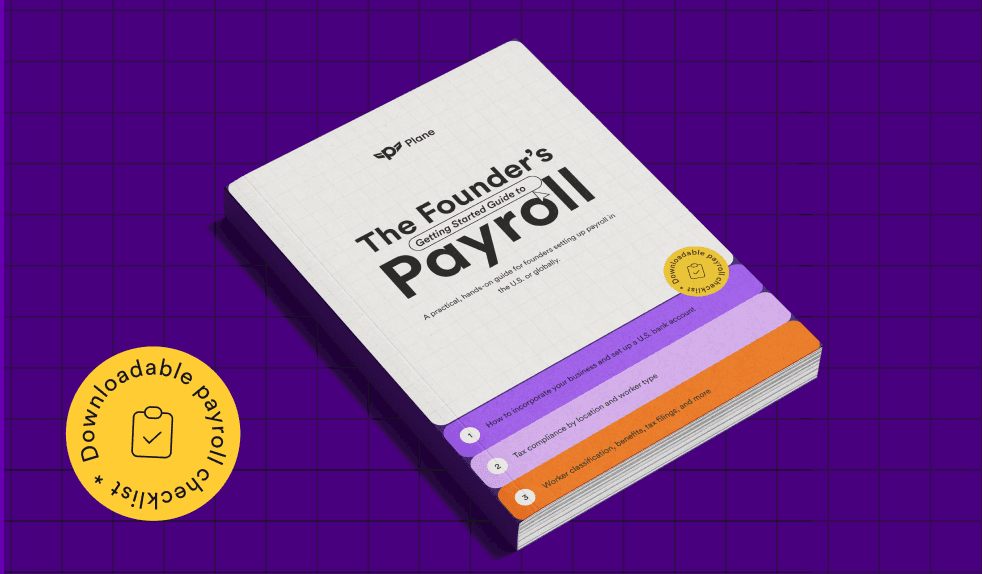
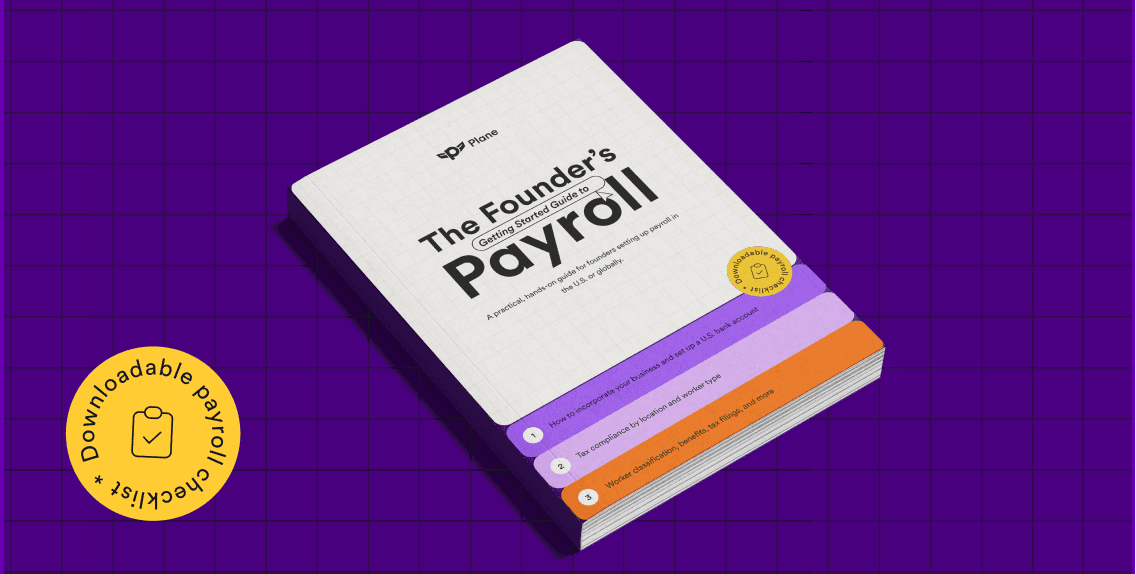
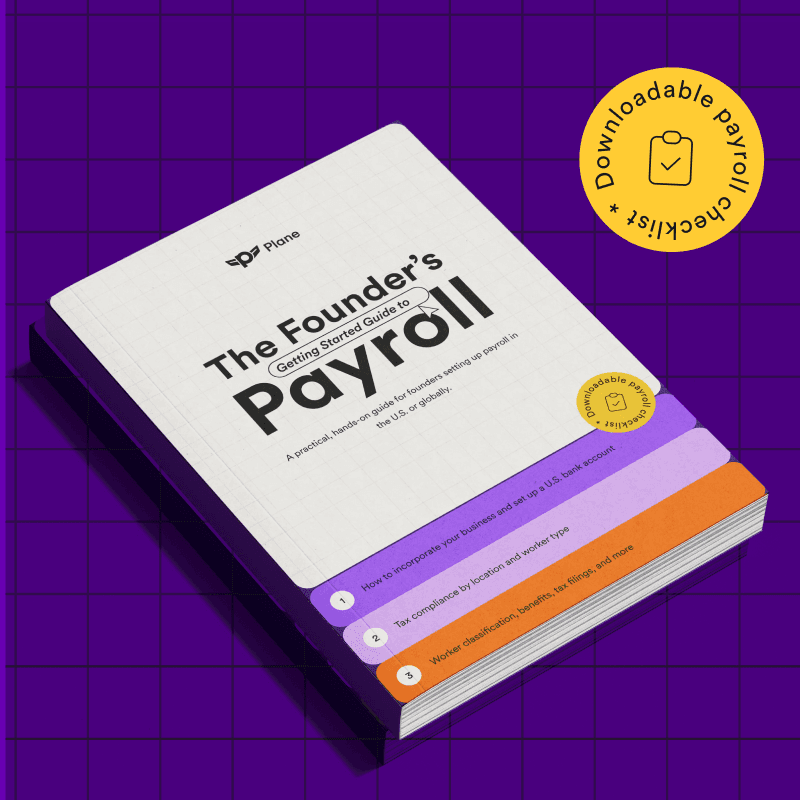
Understanding payroll from day one.
Read our Founder’s Guide to Getting Started.
1. Misclassifying employees
One of the most common payroll errors is misclassifying employees. This can happen when a company incorrectly labels a worker as an independent contractor instead of an employee, or vice versa. Misclassification can lead to serious legal and financial repercussions.
Understanding the differences
To avoid misclassification, it’s crucial to understand the differences between employees and independent contractors. Employees typically have a set schedule, set work location, receive benefits, and have a longer-term relationship with their employer. Independent contractors, on the other hand, have more control over their work and are usually paid per project. Classification laws vary by country, so it’s important to know how they apply in your workers’ specific countries.
Implementing clear policies
Establishing clear policies regarding classification can help mitigate this risk. Regular training sessions for HR and management can ensure everyone understands the criteria for classification. Additionally, consulting with legal experts can provide clarity on complex cases.
2. Inaccurate time tracking
Inaccurate time tracking is another prevalent issue that can lead to payroll errors. Whether it’s due to manual entry mistakes or faulty timekeeping systems, inaccuracies can result in employees being underpaid or overpaid.
Investing in reliable timekeeping systems
Investing in a reliable timekeeping system can significantly reduce errors. Automated systems that integrate with payroll software can streamline the process, ensuring that hours worked are accurately recorded. This not only saves time but also enhances accuracy.
Regular audits
Conducting regular audits of timekeeping records can help catch discrepancies early. By reviewing time logs and comparing them against payroll reports, businesses can identify and correct errors before they affect employee paychecks.
3. Failing to update payroll information
Another common error is failing to update payroll information, such as changes in employee status, tax withholding, or benefits. This can lead to incorrect deductions and tax filings.
Establishing a process for updates
To avoid this issue, establish a clear process for updating payroll information. Encourage employees to report changes promptly and provide them with easy access to update their information. Regular reminders can also help keep this process top of mind.
Utilizing technology
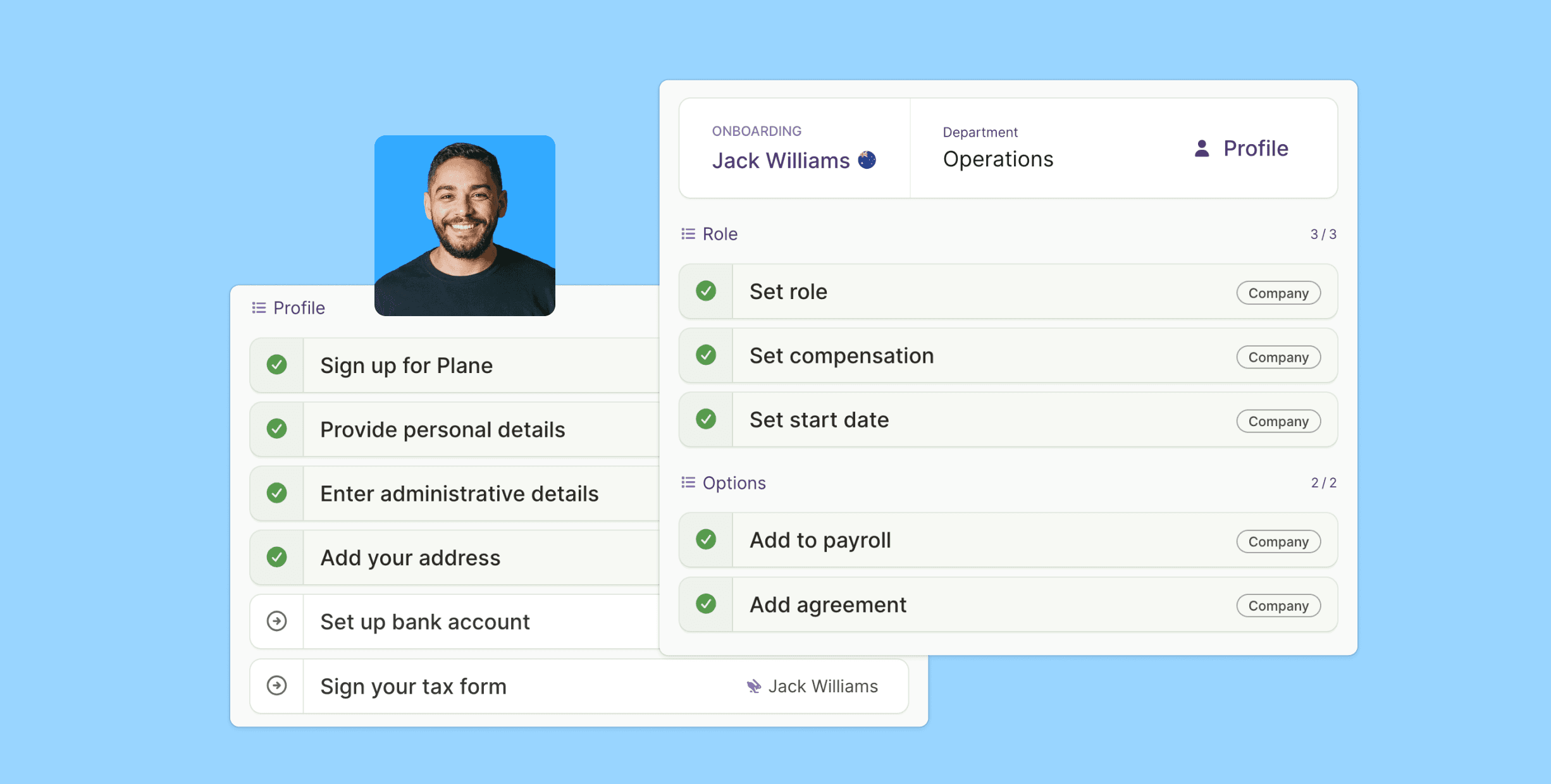
Utilizing payroll software that allows for easy updates can streamline this process. Many systems, such as Plane, offer self-service portals where employees can manage their information, reducing the burden on HR and minimizing errors.
4. Ignoring compliance requirements
Compliance gaps don’t usually happen because teams don’t care. They happen because payroll rules shift constantly and no one is actively monitoring the changes. When those updates slip by unnoticed, the result can be penalties, back-pay obligations, and avoidable risk.
Build a system for catching changes early
Instead of relying on occasional training or ad-hoc updates, create an internal process that flags regulatory changes as soon as they happen. This could include assigning an owner who performs a monthly compliance review, maintaining a shared checklist for new requirements, or using tooling that alerts your team when thresholds or filing rules shift. The goal is to make compliance proactive, not reactive.
Maintain a documented playbook
Many payroll mistakes stem from tribal knowledge. A clear, documented compliance playbook ensures every team member follows the same rules when processing payroll, updating employee data, or handling edge cases. This reduces inconsistency and protects your process if someone is out of office or a new team member joins.
Validate your practices regularly
Even well-intentioned teams fall behind when they assume last year’s process still applies. Quarterly audits of classifications, tax reporting, and payment methods can help you catch issues early. Treat these reviews as quality control rather than a last-minute scramble.
5. Lack of employee communication
Finally, a lack of communication with employees regarding payroll processes can lead to misunderstandings and dissatisfaction. Employees should be informed about how their pay is calculated, when they can expect to be paid, and how to address any issues.
Creating open channels of communication
Creating open channels of communication can help address concerns before they escalate. Regular meetings or updates can provide employees with the information they need and encourage them to voice any questions or issues.
Providing resources
Providing resources, such as FAQs or guides on payroll processes, can empower employees to understand their pay better. This transparency can foster trust and reduce the likelihood of payroll-related disputes.
Conclusion
Payroll errors can be costly and damaging, but with the right strategies in place, they can be effectively managed. By understanding common pitfalls, investing in technology, and fostering open communication, businesses can streamline their payroll processes and ensure compliance. Remember, a proactive approach is key to avoiding these errors and maintaining a happy, productive workforce.
Streamline your payroll with Plane
Ready to put payroll errors behind you? Plane is your all-in-one solution for hiring, onboarding, and managing payroll for your global team. With our easy-to-use platform, you can ensure accuracy, compliance, and save valuable time. Don't let payroll complexities slow down your business. Get started with Plane today and experience the peace of mind that comes with streamlined global HR processes.
Want product news & updates?
Sign up for our newsletter.